About the LSE Impact Blog
Comments Policy
Home
Popular Posts
Recent Posts
Subscribe to the Impact Blog
Write for us
Home
About
Recent Posts
LSE comment
Popular
Write for us
Search
Search for:
LSE Impact Blog
A platform for understanding and increasing the impact of academic research
Latest posts
Featured
Tracking the impact of elections on science policy is key to maintaining long-term research priorities
April 18th, 2024
Academic communication
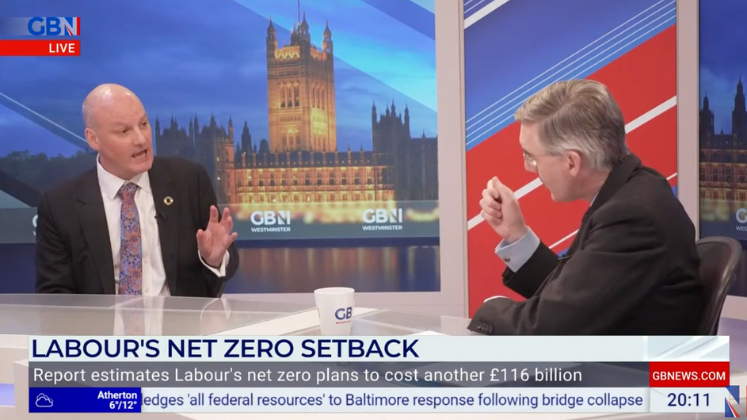
Addressing misinformation at source – Why I choose to appear on GB News
April 17th, 2024
AI Data and Society
New data protection and privacy laws have changed the regulatory landscape for researchers in the Global North
April 15th, 2024
Academic communication
Researchers with minority ethnic names are written out of US science journalism
April 11th, 2024
Research policy
Featured
Tracking the impact of elections on science policy is key to maintaining long-term research priorities
April 18th, 2024
AI Data and Society
New data protection and privacy laws have changed the regulatory landscape for researchers in the Global North
April 15th, 2024
Research funding
Inequality beyond representation in European research funding
November 27th, 2023
Climate Impact
Academic communication
Addressing misinformation at source – Why I choose to appear on GB News
April 17th, 2024
AI Data and Society
Rigorous, open-access analysis and data can drive business towards net zero
January 10th, 2024
1
Climate Impact
Asking SMART questions can link sustainability research to practitioner needs
December 8th, 2023
Open Access
Academic publishing
Is the Bill and Melinda Gates Foundation’s new OA policy the start of a shift towards preprints?
April 9th, 2024
3
Academic publishing
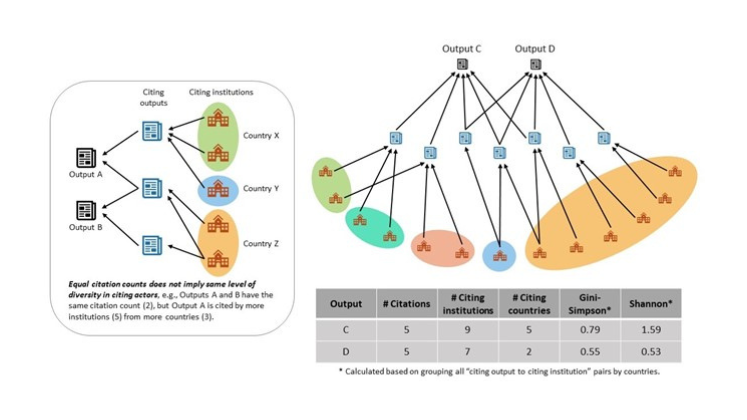
Open access works – 420 million citations show OA outputs are cited by more researchers from more places
January 30th, 2024
Academic publishing
Not-for-profit scholarly publishing might not be cheaper – And that’s OK
January 9th, 2024
14
Experts and Expertise
Evidence for Policy
A joint conference followed by hot tubbing – How concurrent evidence can resolve clashes of expertise
April 4th, 2024
Experts and Expertise
The Big Con: How the Consulting Industry Weakens Our Businesses, Infantilizes Our Governments, and Warps Our Economies – review
April 2nd, 2024
AI Data and Society
Who is the better forecaster: humans or generative AI?
November 9th, 2023
2
View all posts
Receive our newsletter
Follow us on Twitter
My Tweets
Follow us on
Email Address
Subscribe to the Impact Blog
Explore our sister blogs
Explore all our blogs
×
We use cookies on this site to understand how you use our content, and to give you the best browsing experience. To accept cookies, click continue. To find out more about cookies and change your preferences, visit our
Cookie Policy.
Continue